
Unlocking the Power of Augmented Reality in Digital Marketing Campaigns for Retail
Meta Description: Explore the transformative potential of augmented reality in retail marketing. Discover case studies, industry insights, and practical steps to enhance consumer engagement through AR.
Introduction
In recent years, augmented reality (AR) has emerged as a groundbreaking technology that is disrupting various sectors, particularly retail. With its ability to integrate digital experiences with the physical world, AR offers retailers innovative ways to engage consumers, boost brand recognition, and increase sales. My name is Lysander Petrov, an SEO expert with over 5 years of experience in optimizing digital marketing strategies that have helped over 20 companies improve their online visibility and performance. This article aims to unlock the power of AR in digital marketing campaigns specifically tailored for retail, providing valuable insights and practical examples.
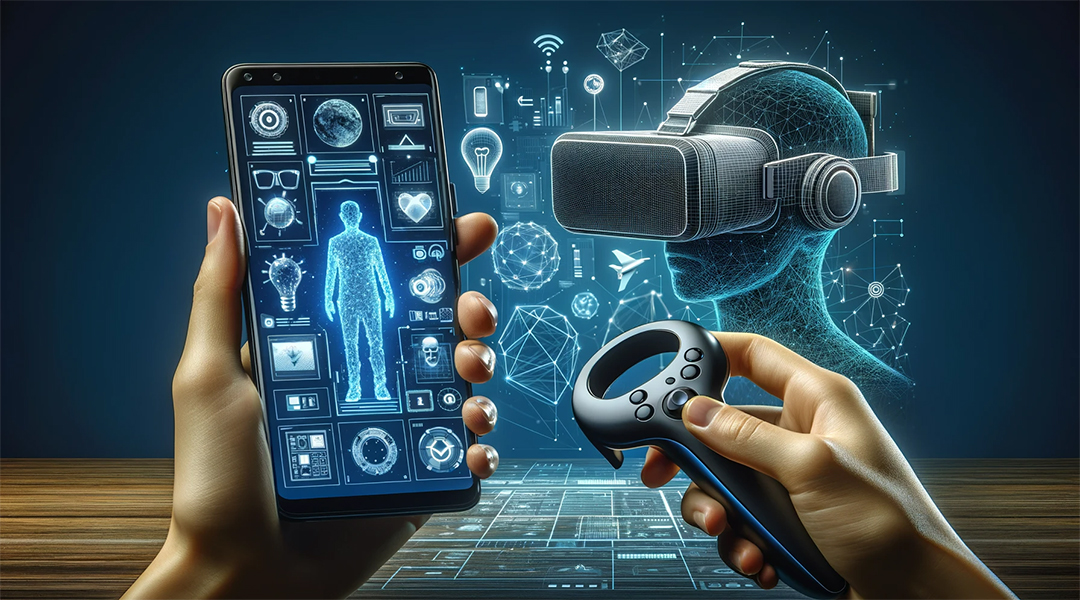
Understanding Augmented Reality
What is Augmented Reality?
Augmented reality is a technology that superimposes computer-generated images, sounds, or other sensory enhancements onto the real world in real-time. Unlike virtual reality (VR), which creates an entirely immersive digital environment, AR blends digital content with the existing physical space, allowing users to interact with both simultaneously. Platforms like ARKit by Apple and ARCore by Google have made it easier than ever for businesses to integrate AR into their marketing strategies.
Why Augmented Reality Matters in Retail
AR has the potential to transform the retail experience by creating more engaging, interactive, and personalized shopping journeys. As consumers become increasingly tech-savvy, retailers must adopt innovative tools to meet their evolving expectations and preferences.
Current Market Insights
Impressive Market Statistics
Recent data highlights the growing significance of AR in retail:
- The AR market is projected to reach $198 billion by 2025, with retail applications driving a considerable portion of this growth.
- According to surveys, 71% of consumers would be more inclined to shop at a retailer that offers AR experiences.
These figures reflect the increasing consumer interest in AR and the corresponding opportunity for retailers to capitalize on this trend.
Consumer Engagement Metrics
AR has proven to enhance consumer engagement significantly. Studies reveal:
- Retailers using AR technology experienced a 40% increase in product interactions.
- There's been a 90% increase in purchase intent among consumers who interacted with AR experiences.
By offering unique AR experiences, retailers can create a lasting impression that encourages consumers to make a purchase.
Case Studies: Success Stories in Retail AR Integration
IKEA Place
- What It Is: This application allows customers to visualize furniture in their own homes using AR technology.
- Outcome: Partners reported a 10% increase in sales for products viewed through the app.

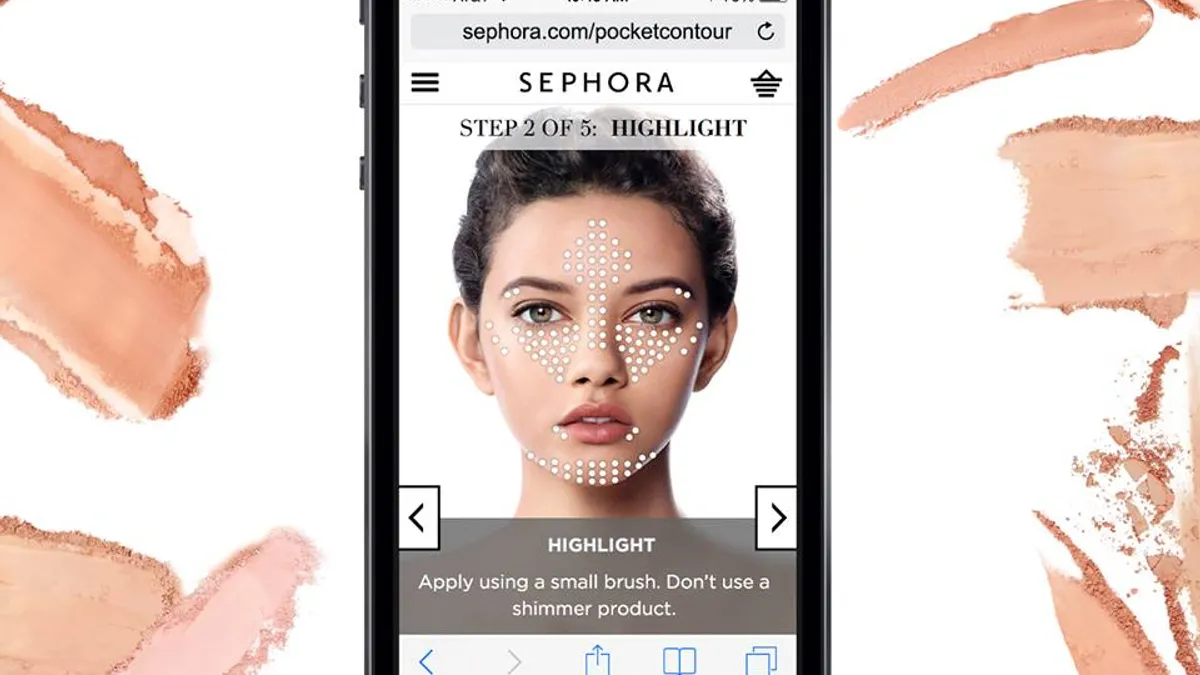
Sephora Virtual Artist
- What It Is: A feature that enables customers to try on makeup virtually.
- Outcome: Sephora saw a staggering 200% increase in conversion rates on items tried via AR.
L'Oreal Virtual Makeup Try-On
- What It Is: This AR tool lets customers apply various makeup products virtually.
- Outcome: The integration resulted in a 30% increase in time spent on the app, enhancing overall consumer engagement.
These case studies illustrate how successful AR implementations can lead to significant sales growth and enhanced customer interactions.
Benefits of Augmented Reality in Retail
Enhancing Customer Experience
AR serves to enrich the shopping experience by allowing customers to visualize products in real-world settings before purchase. For example, it can reduce the likelihood of returns by providing consumers with a more accurate representation of what they are buying. Research shows that AR-driven experiences can lead to up to a 25% reduction in return rates.
Gaining a Competitive Advantage
Implementing AR can enable retailers to differentiate themselves in saturated markets. Retailers who have embraced AR technology often outperform competitors, gaining visibility, customer loyalty, and even industry awards for innovation.
Keeping Up with Consumer Preferences
Current consumer trends indicate a preference for brands that offer immersive experiences during the shopping journey. A surprising 61% of consumers reported that they prefer shopping from brands that incorporate AR. This indicates a growing demand for engaging marketing tools that keep consumers interested and coming back.
Technical Integration: Costs and Implementation
Technical Aspects of AR Integration
Integrating AR into existing platforms can seem daunting, especially for small to medium-sized businesses. The costs associated with developing AR experiences can vary greatly. However, platforms like Zappar and Blippar offer user-friendly options for retailers to create AR experiences without extensive technical expertise.
Tips for Implementation
- Start with Pilot Programs: Test small-scale AR projects that can be rolled out and evaluated for effectiveness.
- Collaborate with Technology Vendors: Partnering with AR technology developers can streamline the process and reduce associated risks.
Future Trends: The Road Ahead for AR in Retail
As we look ahead, several trends indicate where AR technology is headed in retail:
- The rise of the Metaverse is expected to create new immersive shopping experiences that will fundamentally change how consumers interact with brands.
- Leading analysts predict that AR will lead to innovative product visualization techniques, allowing retailers to offer personalized shopping experiences like never before.
Get tips like this in your inbox
One growth tip every Tuesday. No spam.
These predictions indicate that the future of retail marketing will be significantly shaped by the continuous evolution of AR technology.
Resources and Tools for Retailers
To facilitate integration, here are noteworthy tools and platforms that retailers can explore:
| Tool Name | Description |
|---|---|
| Zappar | A user-friendly platform for creating AR experiences. |
| Blippar | Allows for the development of rich AR content without needing extensive coding. |
| Shopify Apps | Various plugins that support AR integration for e-commerce businesses. |
These resources can help streamline the process of introducing AR into retail marketing strategies.
Conclusion
In conclusion, augmented reality is rapidly emerging as a crucial component of effective digital marketing campaigns in the retail sector. By offering enhanced customer experiences, increasing engagement, and reducing return rates, AR provides substantial benefits that can lead to greater brand loyalty and sales. Retailers who are willing to innovate and adopt AR will be well-positioned to stand out in a highly competitive landscape.
Explore the possibilities of augmented reality and consider incorporating it into your marketing strategy today. For more insights into leveraging technology for improved customer engagement, subscribe to our newsletter or share your own experiences with AR in retail below!


